
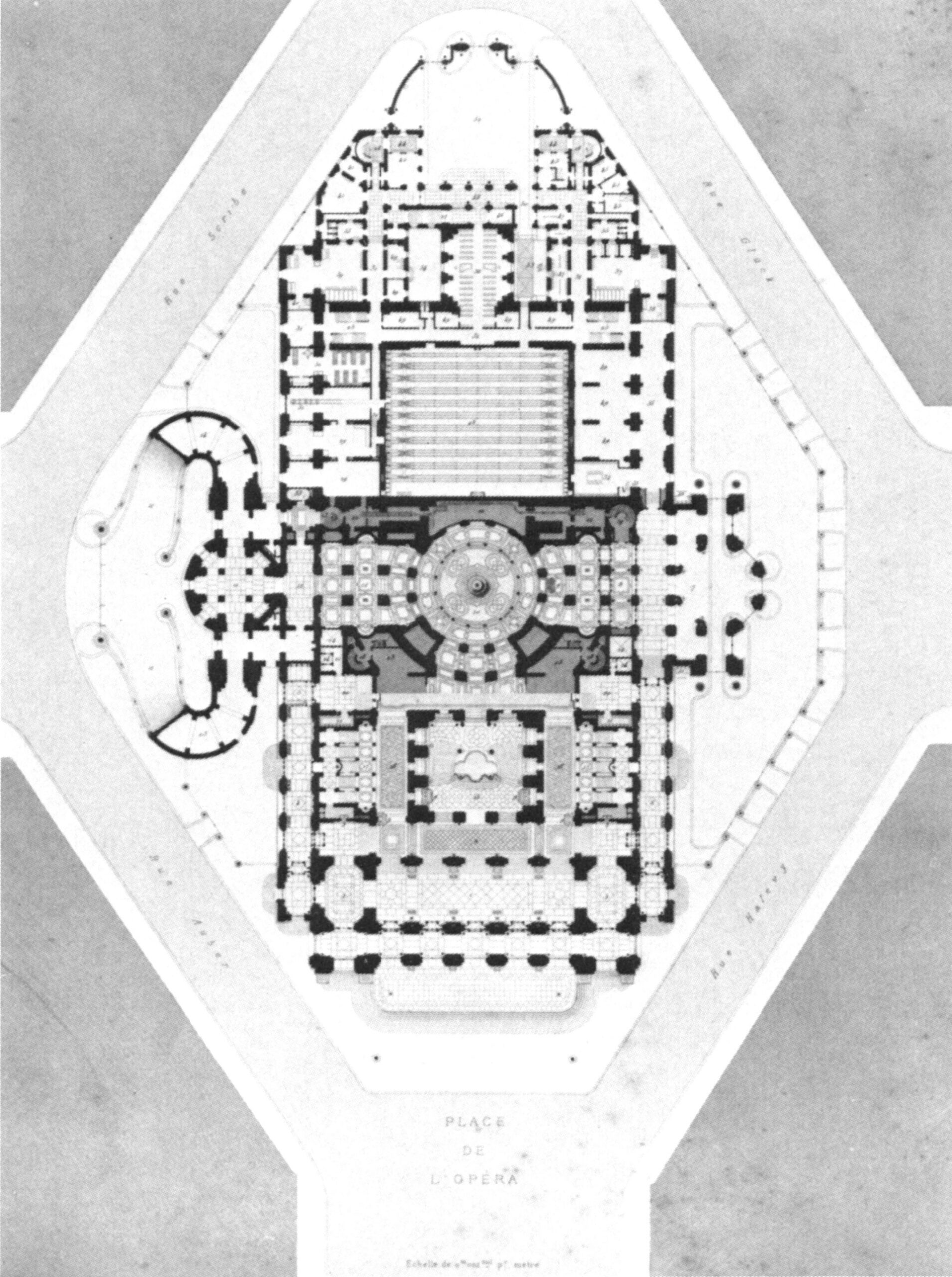
The Palais Garnier is a grand 19th-century opera house on the Place de l’Opéra in Paris’s 9th arrondissement, designed by architect Charles Garnier and opened on January 5, 1875. Built during the reign of Napoleon III in a lavish, eclectic style that blends Baroque, Renaissance, and Palladian classicism, it remains one of the most recognizable performance venues in the world.
Though the Paris Opera shifted most of its opera productions to the newer Opéra Bastille after it opened in 1989, the Palais Garnier still hosts performances and now serves primarily as the home of the Paris Opera Ballet. Its opulent interiors, including the Grand Staircase and mirrored Grand Foyer, and its association with Gaston Leroux’s novel The Phantom of the Opera, have made it a defining symbol of Parisian grandeur.
Stats at a Glance
- Location: Place de l’Opéra, 9th arrondissement, Paris, France
- Type: Opera house / ballet venue
- Opened: January 5, 1875
- Architect: Charles Garnier
- Capacity: About 1,979 seats
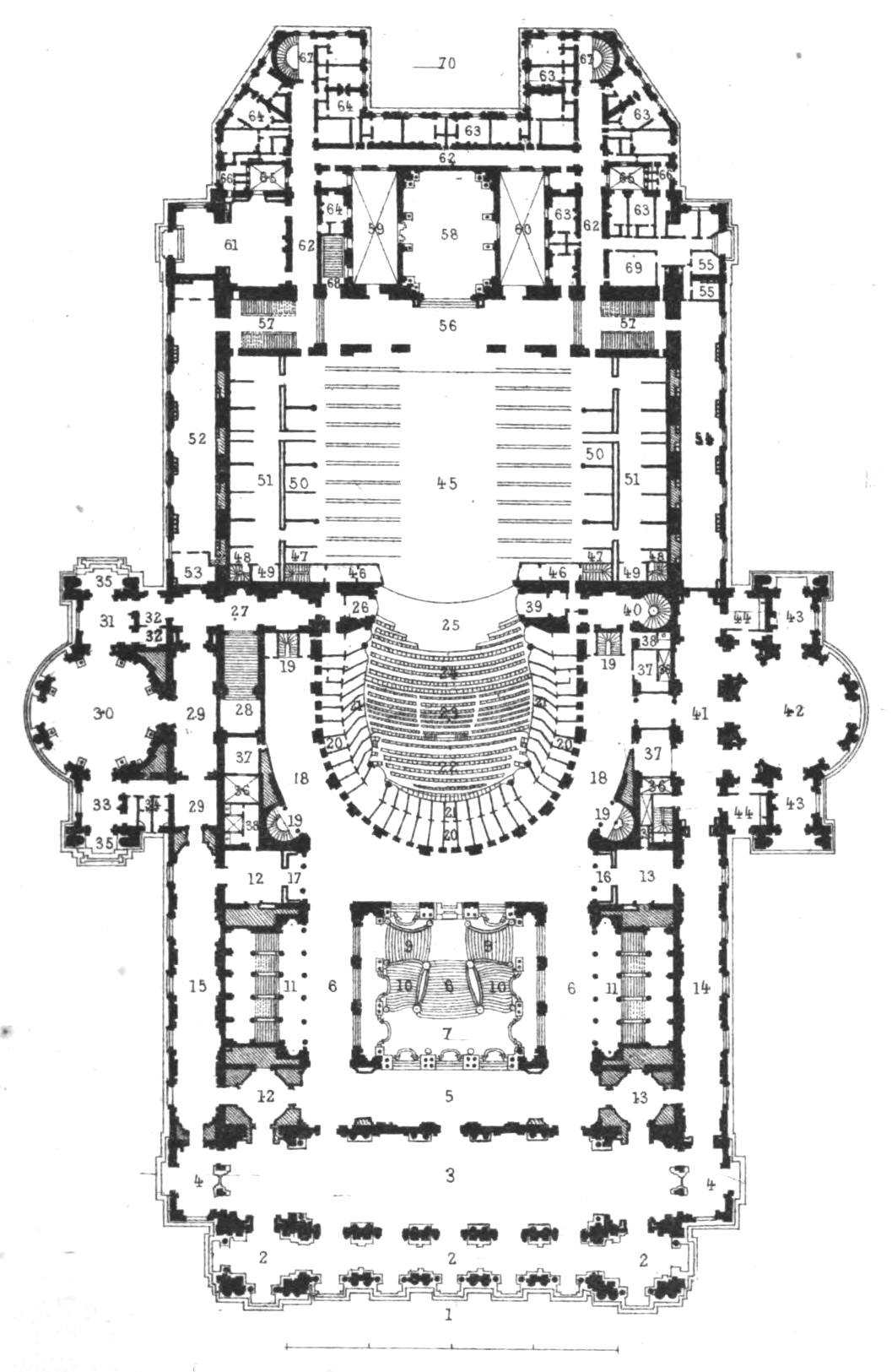
- Building length: About 154.9 meters
- Famous for: Inspiring The Phantom of the Opera and its grand 7-tonne bronze-and-crystal chandelier
A Palace Built for Performance
Commissioned under Napoleon III as part of Baron Haussmann’s rebuilding of Paris, the Palais Garnier was the winning design of a then-unknown architect, Charles Garnier, chosen from a field of 171 competition entries. Construction stretched over more than a decade, delayed by war and the fall of the Second Empire, before the building finally opened in 1875 under the Third Republic.
The auditorium seats close to 2,000 people beneath a ceiling that, since 1964, has featured a painted panel by Marc Chagall layered above the original design. The building’s Grand Foyer, lined with mirrors and gilding, was deliberately styled to evoke the Hall of Mirrors at Versailles, giving audiences as much spectacle in the lobbies as on stage.
Legend and Legacy
The Palais Garnier’s mystique grew after a real 1896 accident, in which a counterweight from its massive chandelier broke loose and fell into the audience, an event that helped inspire the falling chandelier scene in Gaston Leroux’s 1910 novel The Phantom of the Opera. The building’s basement, which includes a water cistern used for fire control, further fed the legend of an underground lake beneath the opera house.
Today the Palais Garnier is used mainly for ballet performances by the Paris Opera Ballet, alongside select opera productions, concerts, and guided tours that let visitors explore its staircases, foyers, and the Bibliothèque-Musée de l’Opéra housed within the building.
Explore more: Explore more iconic music venues.
Charges fast enough to top up your phone between the opener and the headliner.
Many venues let empty soft flasks through security. Refill inside and roll it up when it's empty.
See the stage from the lawn seats — small enough for most venue bag rules.
Palais Garnier FAQs
Is the Palais Garnier still used for performances?
Yes. While the Paris Opera moved most of its opera repertoire to the newer Opéra Bastille in 1989, the Palais Garnier remains active as the primary home of the Paris Opera Ballet and still hosts some opera and concert performances.
How many seats does the Palais Garnier have?
The auditorium seats approximately 1,979 people beneath its ornate painted ceiling.
Did the Phantom of the Opera really happen at the Palais Garnier?
The novel is fiction, but it drew on real features of the building, including a 1896 accident in which a chandelier counterweight fell into the audience and an underground water cistern that inspired the idea of a lake beneath the opera house.
Get More from Palais Garnier
Log the coasters, stadiums, and venues you’ve experienced, rate Palais Garnier, and see what your friends thought. Get the ThrillZing app.
Photo: Peter Rivera / CC BY 2.0, via Wikimedia Commons.