
Modern theme park operations involve far more complex systems than visitors typically realize. The choreographed flow of 50,000-plus daily guests, the overnight maintenance routines that keep rides running, and the safety inspection protocols that prevent accidents represent some of the most sophisticated operational engineering in the hospitality industry. These nine facts pull back the curtain on what actually happens at parks like Walt Disney World, Cedar Point, and Universal Orlando before, during, and after operating hours.
Roller Coasters Run Empty Test Cycles Each Morning
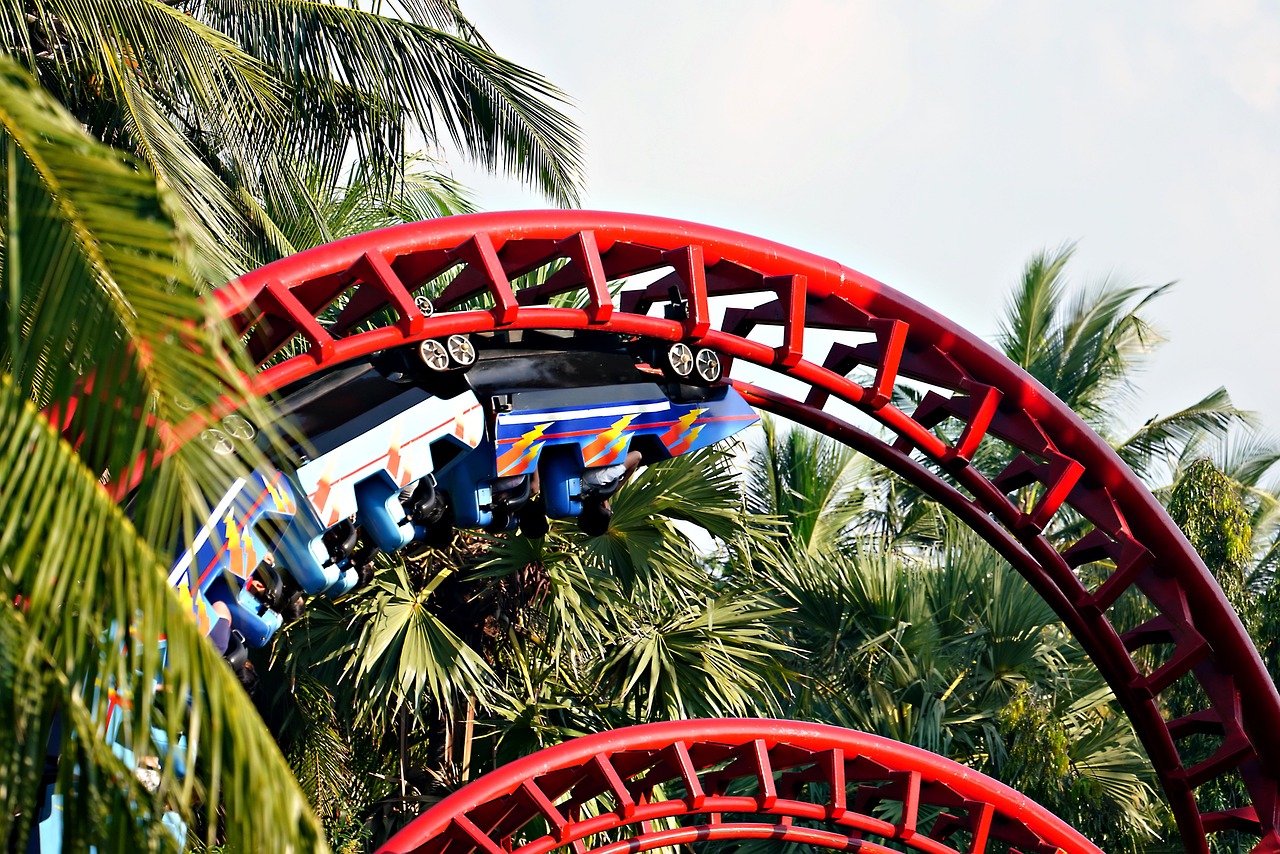
Every operating coaster runs multiple empty test cycles before guests board. Operations teams use sensor data to verify brake performance, restraint engagement, and acceleration profiles match expected parameters. Weighted dummies often replace some seats during early test cycles to confirm braking matches the weight loads riders will produce. Any deviation triggers further inspection before the ride opens.
According to IAAPA industry safety standards, daily inspection protocols are mandated for all major coasters and form the foundation of the safety record that the modern theme park industry maintains.
Overnight Maintenance Is the Real Operational Show
Most major rides receive overnight inspection, lubrication, and component checks every single night. Wheel assemblies on coasters are checked for wear, restraints are tested for engagement and release, and computer systems are diagnostic-scanned for fault codes. The work happens between 2 AM and 8 AM by maintenance teams that most park visitors never see.
For more on the engineering that makes these operations possible, our breakdown of magnetic coaster brakes explained covers exactly why some braking systems require less maintenance than others.
Capacity Management Drives Park Design
Walking paths at Disney parks are designed for specific capacity loads — 12,000 guests per hour at Magic Kingdom’s Main Street, for example. When attendance exceeds capacity for any section, operations triggers crowd-control measures including queue redirections, additional staffing, and temporary closures of certain transitions. Most of this happens invisibly to guests who simply experience smoother flow.
Single Rider Lines Boost Ride Throughput
Single rider lines exist primarily to fill empty seats when group sizes don’t match available train spaces. A two-train coaster with 32 seats per train can leave 4 to 8 seats empty per cycle if groups don’t match capacity. Single rider lines fill those seats, increasing hourly throughput by 10 to 15% with no additional ride cycles.
Coverage from Theme Park Insider regularly notes that single rider lines benefit both the park (higher throughput) and guests (much shorter waits).
Ride Photo Systems Generate Massive Revenue
The ride photo systems on major coasters can generate more revenue per square foot than most retail operations in the park. Modern systems use multiple cameras with computer vision to identify riders’ faces and provide them with personalized photo packages. Disney’s PhotoPass system stores all photos digitally for download via the My Disney Experience app, dramatically increasing purchase rates compared to traditional photo print sales.
Weather Closures Have Strict Protocols
Major coasters typically suspend operations when wind speeds exceed 30 to 35 mph at the lift hill, and almost all rides shut down when lightning is detected within a defined radius of the park. Different rides have different specific thresholds. Operations teams use real-time weather monitoring to make closure decisions, and rides typically reopen within 30 minutes after conditions clear.
For more on how weather affects park trip planning, our piece on theme park off-season travel covers exactly which weather conditions affect which parks during which seasons.
Front-of-House Staff Use Code Languages
Disney famously uses “Code V” (vomit), “Code H” (human waste), and similar codes to communicate operational issues without alarming guests. Other parks use comparable systems. Knowing what these codes mean is generally not useful for guests, but understanding that staff are trained to handle every imaginable situation explains why parks remain orderly even during major incidents.
Special Events Generate Major Off-Season Revenue
Halloween Horror Nights at Universal Orlando, Mickey’s Not-So-Scary Halloween Party at Magic Kingdom, and similar special events generate enormous revenue during what would otherwise be slow operational periods. Universal’s HHN alone produces an estimated $250 million annually, and the events have become defining brand moments rather than just supplemental revenue.
For more on these autumn events specifically, our breakdown of haunted attractions and Halloween theme parks covers exactly which parks deliver the best fall experiences.
Why Operations Excellence Defines Great Parks
The difference between a great theme park visit and a frustrating one usually comes down to operations execution rather than ride quality. The parks that consistently rank highest in guest satisfaction surveys (Disney, Universal, Holiday World) all invest heavily in the invisible operational infrastructure that turns hardware into experiences.
Frequently Asked Questions
How often are roller coasters inspected?
Major coasters undergo daily pre-opening inspections plus more comprehensive monthly and annual inspections, with components rebuilt or replaced on defined maintenance schedules.
Why do parks have single rider lines?
Single rider lines fill empty seats that group sizes leave open, increasing ride throughput by 10 to 15% without adding ride cycles.
When do parks close coasters for weather?
Most coasters suspend operations when wind speeds at the lift hill exceed 30 to 35 mph, or when lightning is detected within the park’s defined safety radius.
What is Code V at Disney?
Code V is internal Disney operations terminology for vomit, used so cast members can communicate cleanup needs without alarming nearby guests.
Do rides really test every morning before opening?
Yes, every operating ride runs multiple empty test cycles before guests board, with sensor data verified to match expected parameters before opening to guests.