
Types of concert venues range from 200-cap dive bars to 100,000-seat stadiums, and each one delivers a completely different live music experience. The venue shapes the sound, the energy, and the entire vibe of a show. Whether you’re pressed against a barrier at an intimate club or lost in a sea of fans at a stadium tour, the type of concert venue defines the experience just as much as the artist on stage. Here’s a breakdown of every major type of concert venue and what makes each one special.
Here’s a breakdown of every major type of concert venue and what makes each one special.
Small Clubs and Dive Bars
Capacity: 50 to 500
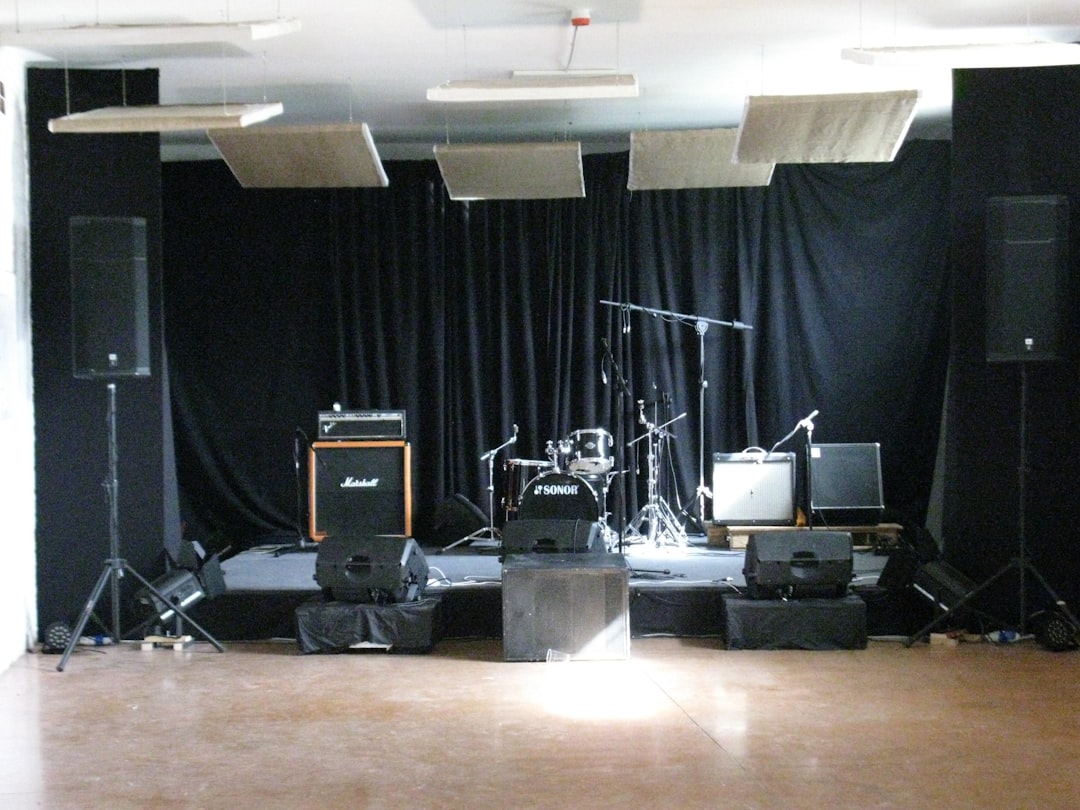
Small clubs are where legends are born. These intimate rooms put you within arm’s reach of the performer, and the energy in a packed club is unmatched. The sound bounces off close walls, the floor shakes under your feet, and there’s nowhere to hide for the artist or the audience.
Famous examples include CBGB in New York (now closed), The Troubadour in Los Angeles, and The Bluebird Cafe in Nashville. If you want to see an artist before they blow up, small clubs are where it happens.
Theater Venues
Capacity: 500 to 3,000
Theaters offer a step up in production value while keeping the intimacy alive. Many are historic buildings with incredible architecture, balcony seating, and acoustics designed for performance. Think ornate ceilings, plush seats, and a seated experience that lets you focus on the music.
The Apollo Theater in Harlem, the Ryman Auditorium in Nashville, and the Fillmore in San Francisco are iconic theater venues that have hosted generations of performers.
Concert Halls
Capacity: 1,000 to 5,000
Purpose-built for sound, concert halls are acoustically engineered spaces where every note lands exactly as intended. These venues are common for classical performances, jazz, and singer-songwriter shows, but plenty of rock and pop acts play them too.
Carnegie Hall and the Walt Disney Concert Hall are prime examples. The difference between a concert hall and a theater is usually the acoustic engineering — concert halls are built sound-first.
Arenas
Capacity: 5,000 to 20,000
Arenas are the sweet spot for major touring acts. Big enough for serious production — massive LED screens, pyrotechnics, flying rigs — but contained enough that the energy stays electric. Most arenas double as sports venues for basketball or hockey, with the floor converted for concerts.
Madison Square Garden, the O2 Arena in London, and the Kia Forum in Los Angeles are arena venues that host hundreds of shows per year. The bowl shape keeps sound focused and the crowd close.
Amphitheaters
Capacity: 5,000 to 25,000
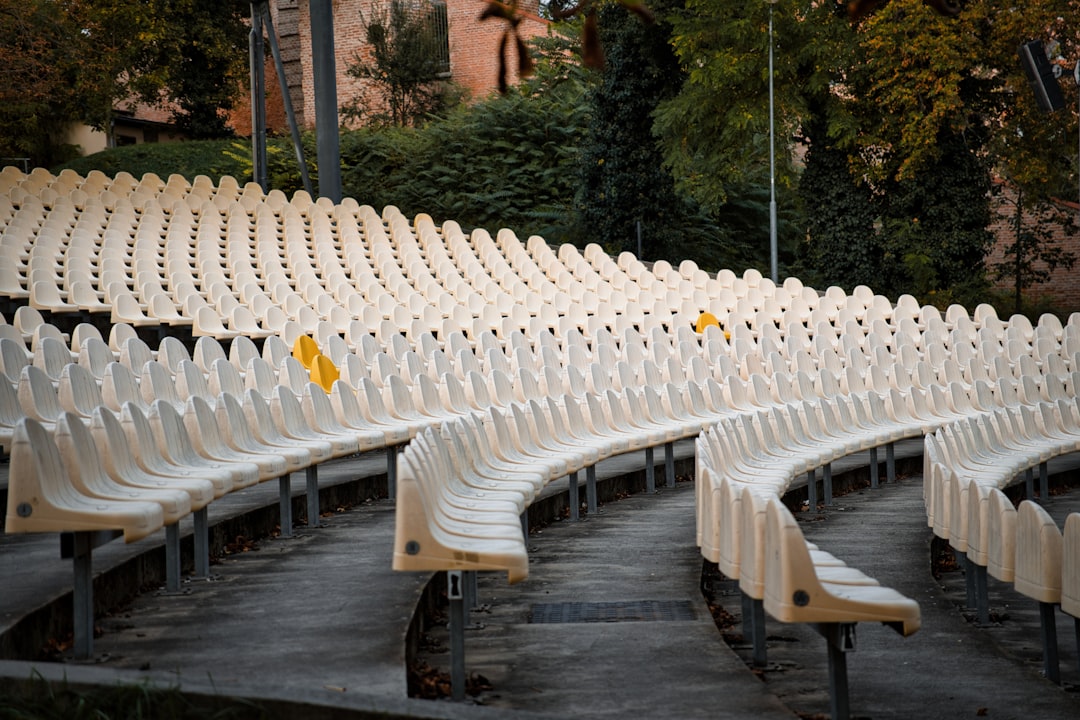
Amphitheaters combine the magic of outdoor shows with structured seating and professional sound systems. Most feature a covered stage and pavilion seating with a lawn section behind it. Summer evening shows at an amphitheater are hard to beat.
Red Rocks Amphitheatre near Denver is arguably the most famous concert venue in the world, with natural sandstone acoustics that make every show unforgettable. The Gorge Amphitheatre in Washington state and the Hollywood Bowl are other legendary outdoor spots.
Stadiums
Capacity: 20,000 to 100,000
Stadium tours are reserved for the biggest acts on the planet. The sheer scale is staggering — massive stage setups that take days to build, sound systems engineered to reach the upper decks, and a crowd energy that creates its own weather system. Stadium shows are events, not just concerts.
SoFi Stadium in Los Angeles, Wembley Stadium in London, and MetLife Stadium in New Jersey have hosted some of the most iconic concert moments in history. The tradeoff is distance — unless you’re on the floor, you’re watching the screens.
Festival Grounds
Capacity: 10,000 to 200,000+
Music festivals aren’t single venues but entire ecosystems of stages spread across open land. Multiple stages run simultaneously, with headliners on the main stage and smaller acts scattered across the grounds. The experience is as much about discovery and atmosphere as it is about any single performance.
Coachella, Lollapalooza, Glastonbury, and Bonnaroo each have their own culture and identity. Festival grounds range from desert fields to farmland to urban parks.
Outdoor Parks and Bandshells
Capacity: 500 to 15,000
City parks and bandshells offer free or low-cost concert experiences in community settings. These casual venues host everything from local jazz ensembles to touring indie bands. Bring a blanket, grab some food, and enjoy music under the sky.
The Hatch Shell in Boston, Grant Park in Chicago, and Central Park SummerStage in New York are beloved community concert spots.
Rooftop Venues
Capacity: 100 to 2,000
Rooftop concerts add a skyline backdrop to the music. These trendy venues are popular in major cities and offer a unique combination of open air, city views, and intimate crowds. The Beatles famously played their last live performance on a London rooftop in 1969, and the format has only grown since.
How to Pick the Right Venue for Your Next Show
The best venue depends on what you’re after. Want raw energy and proximity? Hit a small club. Want world-class sound? Go to a concert hall. Want a full-scale spectacle? Stadium or arena. Want a weekend-long adventure? Festivals are calling.
Every type of venue delivers a different kind of thrill, and the best concert fans experience them all.
Understanding the different types of concert venues helps you make better choices about where to see live music. Each concert venue type has its own strengths — from the raw energy of small clubs to the spectacle of stadium shows. Knowing what to expect from each type of concert venue means you’ll never be disappointed by the experience.
Additional Resources
Related Reading
Frequently Asked Questions
What is the best type of concert venue for sound quality?
Concert halls are specifically engineered for optimal acoustics, making them the best venues for pure sound quality. Amphitheaters like Red Rocks also offer exceptional natural acoustics.
How many people can a concert stadium hold?
Concert stadiums typically hold between 20,000 and 100,000 people depending on the venue and stage configuration. The largest stadium shows have exceeded 90,000 attendees.
What is the difference between an arena and a stadium concert?
Arenas are enclosed venues holding 5,000 to 20,000 people with a more intimate feel, while stadiums are much larger open-air or domed venues holding 20,000 to 100,000 people with massive production setups.
What is the most famous concert venue in the world?
Red Rocks Amphitheatre near Denver, Colorado is widely considered the most famous concert venue in the world due to its stunning natural acoustics and iconic sandstone formations. Madison Square Garden and Wembley Stadium are also among the most renowned.