
sports venues news is moving fast this week, with stadium politics, live-event demand, and fan-experience technology all shaping how big events get built, hosted, and monetized. The biggest venue story is the Chicago Bears taking their $5 billion stadium push across the state line, but the week also brought movement on Denver’s future stadium site, Nashville’s 2030 Super Bowl win, and another reminder that premium live-event inventory can get expensive quickly.
New Stadiums & Venues
Bears Take $5B Stadium Pitch To Indiana
The Chicago Bears are now taking their new stadium plans across the state line to Indiana after political inaction in Illinois. Front Office Sports reported that the move came just four days after Illinois leaders failed to act, keeping one of the NFL’s most closely watched venue projects in limbo.
For stadium watchers, the key issue is leverage. A credible Indiana option gives the Bears another path as they seek public and private alignment on a massive venue plan.
Broncos Secure Burnham Yard Site
Denver’s stadium future also took a step forward, with the Broncos reaching an agreement to acquire Burnham Yard. Stadium Tech Report’s weekly roundup described the 58-acre site as widely viewed as the preferred location for a future stadium and mixed-use entertainment district.
That mixed-use piece matters. Modern NFL venue projects increasingly aim to control more than game-day revenue, adding restaurants, retail, hotels, offices, and year-round event programming around the stadium footprint.
Nashville Lands The 2030 Super Bowl
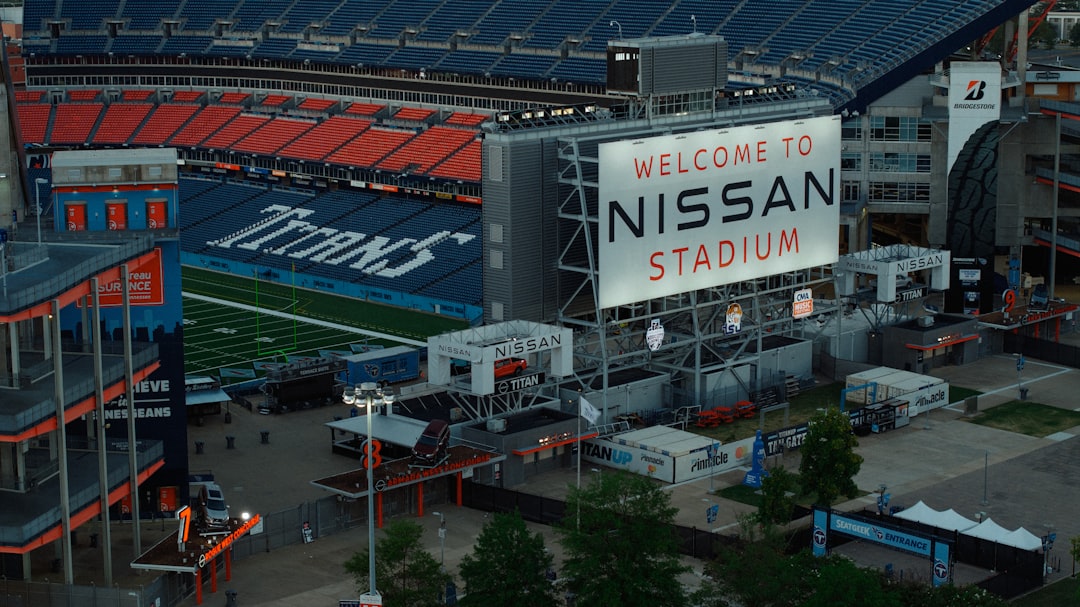
Nashville will host its first Super Bowl in 2030, with the NFL selecting the under-construction New Nissan Stadium for Super Bowl LXIV. Stadium Tech Report noted that the $2.1 billion enclosed stadium is scheduled to open before the event.
The award shows why enclosed, weather-protected venues remain so valuable in the NFL’s event rotation. Nashville already has a strong live-event and tourism base, and the new stadium gives the city a national showcase.
PWHL Expansion Adds Arena Revenue
The Professional Women’s Hockey League is expanding to Hamilton and Las Vegas for the 2026-27 season. Stadium Tech Report’s May 15 roundup said the new franchises are set to play at TD Coliseum and T-Mobile Arena, creating new calendar inventory for both venues.
That is especially meaningful for arenas looking to fill non-NBA and non-NHL dates. Women’s hockey is becoming a more serious venue business category, not just a developmental sports story.
Tottenham Boardroom Shift Ends One Chapter
Tottenham’s boardroom drama also produced a notable venue-adjacent business story. Front Office Sports reported that a boardroom rivalry ended with the former chairman’s exit, while Spurs said they “don’t know anything about” the related deal.
Tottenham Hotspur Stadium remains one of the world’s most important multipurpose venue models, hosting Premier League matches, NFL games, concerts, and other major events. Any ownership or leadership tension around Spurs is therefore relevant beyond soccer.
Venue Tech & Fan Experience
Stadium CIOs Look Beyond Features
Stadium technology teams are being pushed to convert new tools into actual fan engagement, not just feature lists. Stadium Tech Report argued that better Wi-Fi, apps, and AI only matter if fans actually adopt them.
That is the practical challenge for operators. A flashy tool can still fail if it adds friction at entry, concessions, wayfinding, or mobile ordering.
Venues Measure Lost Concession Revenue
One of the sharper fan-experience questions this week was about measuring what never happened. Stadium Tech Report explored how venues can quantify lost revenue when fans leave concession lines without buying anything.
That concept is important because it turns crowd frustration into a measurable business problem. For readers who track live-event operations, it connects neatly with broader festival planning topics like Bonnaroo camping strategies, where logistics can shape the entire guest experience.
Modern Stadiums Rethink AV Infrastructure
Stadium Tech Report also examined how modern venues are eliminating an entire layer of AV infrastructure. The piece focused on a legacy workflow where IPTV systems delivered audio and video in ways that created extra analog signal-chain complexity.
The takeaway is that venue upgrades are not only about bigger boards or louder sound. Sometimes the operational win comes from removing brittle infrastructure that makes every event harder to run.
Shared Tech Ownership Creates Risk
Another Stadium Tech Report editorial warned that when everyone owns technology decisions, no one really owns them. The point is especially relevant inside sports organizations, where technology touches business offices, coaching staffs, building operations, revenue systems, and fan-facing products.
Venue operators are now technology organizations in practice. Without clear ownership, even useful systems can become fragmented across departments.
AI Interns Are Not A Venue Strategy
Stadium Tech Report’s AI-focused editorial cautioned venues against treating AI as a list of isolated intern-style tasks. The argument was that the hard part is not the technology itself, but aligning it with venue operations, governance, and measurable outcomes.
That lens is useful as sports and entertainment businesses respond to the wider AI content boom. It also echoes Front Office Sports’ warning that sports has become fertile ground for AI-generated content churn.
Major Events & Hosting
NBA Finals Tickets Hit $15K
The Knicks’ strong NBA Finals start sent resale demand higher, with Game 4 tickets reportedly hitting $15,000 after New York went up 2-0. Front Office Sports covered the surge as another sign of how quickly the secondary market can move around marquee events.
For venues, the pricing story is about more than ticket shock. It shows how scarcity, team market, finals stakes, and premium seating demand can converge in a matter of days.
Finals Game 1 Draws Huge Audience
The NBA Finals also delivered a strong media number. Front Office Sports reported that Game 1 drew 16.9 million viewers, the highest Finals opener since the Warriors’ golden-era run.
That kind of viewership strengthens the event value around the building too. A national audience lifts sponsorship, hospitality, and market visibility for the host venue and city.
NBA Market Size Debate Returns
This year’s Finals matchup between the Knicks and Spurs revived the question of whether market size still matters in the NBA. Front Office Sports framed the series as a contrast between the league’s biggest market and one of its smallest.
For sports venues, the answer is complicated. Big markets can supercharge ticket demand and media attention, but smaller markets can still create premium event economics when the team, building, and competitive moment align.
Andreeva Wins French Open
Mirra Andreeva won the French Open, ending a drought for Russian women at Grand Slam events. Front Office Sports reported that she defeated underdog Maja Chwalińska in straight sets in the final.
The story matters for live-event audiences because star breakthroughs reshape future ticket demand. Tennis venues and promoters benefit when a new champion creates a fresh rivalry cycle and broader international interest.
Zverev Gets Another Slam Shot
Ahead of the French Open men’s final, Front Office Sports framed Alexander Zverev’s appearance as his best shot yet at a Grand Slam title. The story noted that Zverev had been 0-3 in Grand Slam finals.
From a venue and event perspective, elite tennis remains a premium inventory engine. Compelling finals matchups help anchor hospitality, broadcast interest, and destination travel, much like major music weekends covered in Thrillzing’s concerts roundup.
Sources
- Front Office Sports — Bears Taking New $5B Stadium Plans Across State Line to Indiana
- Stadium Tech Report — Top stories from week ending 5/29/26
- Stadium Tech Report — Top stories from week ending 5/22/26
- Front Office Sports — NBA Finals Game 4 Tickets Hit $15K After Knicks Go Up 2-0
- Front Office Sports — NBA Finals Game 1 Draws 16.9M Viewers, Highest Since Warriors Golden Era
Frequently Asked Questions
What was the biggest sports venue story this week?
The Chicago Bears taking their $5 billion stadium plans to Indiana was the biggest venue story because it could reshape one of the NFL’s most important stadium negotiations.
Why does Nashville hosting the 2030 Super Bowl matter?
It confirms the value of the under-construction New Nissan Stadium and gives Nashville its first Super Bowl, turning the new venue into a national event platform.
What does the Broncos’ Burnham Yard agreement mean?
It gives Denver a likely site for a future stadium and mixed-use entertainment district, though the full project details still need to develop.
Why are NBA Finals ticket prices relevant to venue operators?
The $15,000 Game 4 resale figure shows how quickly premium live-event demand can spike when team success, scarcity, and market power align.
What is the main venue tech trend this week?
Stadium operators are being pushed to make technology more practical, with more focus on reducing friction, measuring missed revenue, and clarifying ownership.