
Modern concert sound system technology has advanced more dramatically over the past 15 years than in any previous era of touring. Line array speakers, digital signal processing, and immersive audio systems now deliver sound quality at stadium scale that rivals what only theaters could achieve in previous decades. The bands and tours pushing these innovations spend tens of millions on audio infrastructure that most fans take for granted. Understanding what’s actually happening on those rigs above the stage explains why your favorite concert sounded the way it did.
Line Arrays Replaced Stacked Speakers
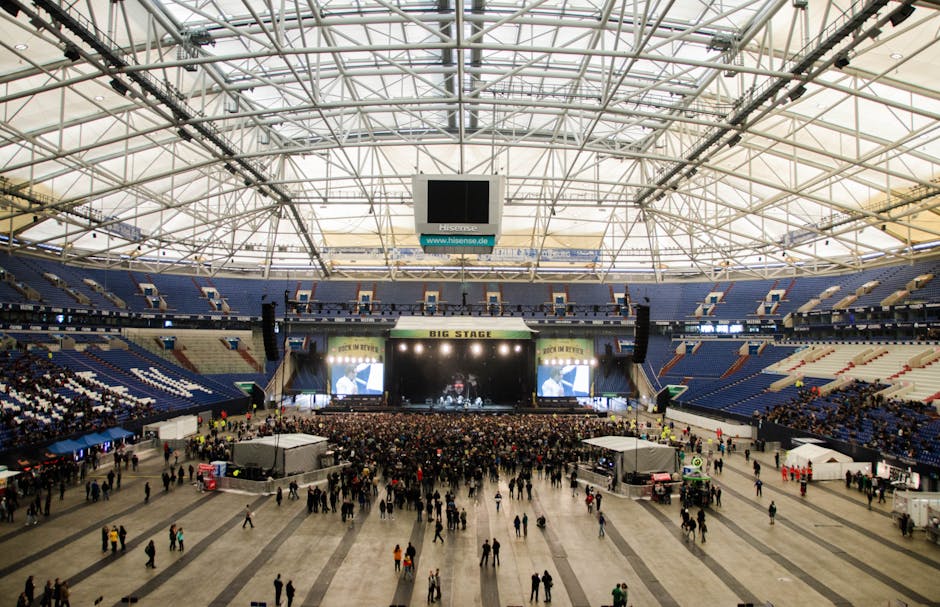
The vertical line array — those long curved speaker columns hanging on either side of the stage — replaced the stacked horn-loaded speaker systems that dominated touring through the 1990s. Line arrays use multiple smaller speakers in a vertical column, with carefully designed angles that direct sound horizontally to the audience while minimizing energy directed at the floor or ceiling.
According to Pollstar industry coverage, the L-Acoustics K2 and Meyer Sound LEO systems dominate the high-end touring market, with full stadium rigs costing $2 million or more.
Subwoofer Arrays for Cardioid Bass
Modern stadium tours use carefully arranged subwoofer arrays that produce directional bass — concentrating low-frequency energy on the audience while reducing what bleeds into nearby neighborhoods. This cardioid arrangement uses multiple subs with timed delays to create destructive interference behind the array, often reducing rear-side bass by 15 dB or more.
For more on how loud these systems actually get, our breakdown of concert decibel levels covers safe exposure thresholds and why hearing protection matters even at well-mixed shows.
Digital Signal Processing Tunes the Room
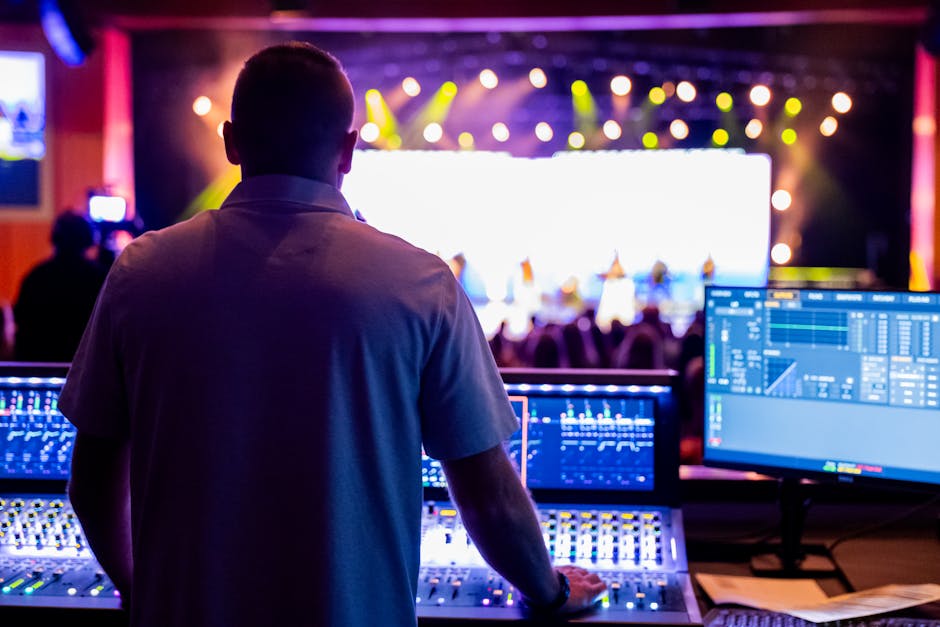
Every modern concert sound system runs through digital signal processing that adjusts EQ, delay, and gain in real time based on the venue’s acoustic characteristics. Engineers walk the venue with measurement microphones during sound check, identifying problem frequencies and adjusting accordingly. The same band can sound dramatically different in two venues even with identical equipment because of these adjustments.
Immersive Audio Goes Mainstream
L-Acoustics’ L-ISA and similar immersive audio systems use multiple speaker arrays positioned around the venue to create three-dimensional sound rather than the traditional left-right stereo. Tours using L-ISA include selected dates from major artists who want to deliver something fans cannot experience on recordings or televised broadcasts.
According to L-Acoustics company information, L-ISA has been deployed on tours by ABBA Voyage and others as a defining production element rather than just a technical choice.
In-Ear Monitor Mixing
Performers themselves now overwhelmingly use in-ear monitors rather than the floor wedges that dominated touring through the early 2000s. In-ear systems provide better isolation, allow personalized mixes for each band member, and reduce overall stage volume that previously bled into front-of-house audio. The result is cleaner mixes for the audience and better hearing protection for performers.
RF Coordination Has Become Critical
Wireless microphones, in-ear monitors, and instrument transmitters all compete for limited radio frequency spectrum. Major tours employ dedicated RF coordinators who manage frequency assignments to avoid interference. The 2010 FCC reallocation of the 700 MHz band forced the entire touring industry to upgrade equipment, and ongoing spectrum changes continue requiring investment in newer systems.
Why Sound Quality Keeps Improving
Coverage from Billboard touring industry reports consistently notes that production quality has become a major competitive differentiator between tours, with artists and management teams investing in audio innovations specifically to deliver experiences that translate worse to streaming and recordings. The result for fans is the best concert sound quality in the history of touring.
For more on planning your next stadium concert experience, our piece on stadium tour concert planning strategies covers exactly how to pick seats that take advantage of these sound system innovations rather than working against them.
Frequently Asked Questions
What is a line array speaker?
A line array uses multiple smaller speakers in a vertical column with carefully designed angles to direct sound horizontally to the audience while minimizing wasted energy.
Why do concerts use subwoofer arrays?
Subwoofer arrays produce directional bass that focuses low-frequency energy on the audience while reducing sound that bleeds into surrounding areas — important for outdoor venues with noise restrictions.
What is L-ISA immersive audio?
L-ISA is an immersive audio system using multiple speaker arrays positioned around the venue to create three-dimensional sound rather than traditional stereo.
Do performers wear earplugs on stage?
Performers now overwhelmingly use in-ear monitors instead of floor wedges, providing isolation, personalized mixes, and hearing protection.
How loud are modern concert sound systems?
Stadium concert SPLs routinely measure 100 to 110 decibels at front-of-house, with peaks during loud songs reaching 115 dB or higher near the stage.