
Modern roller coaster braking systems rely on two fundamentally different physical principles: friction and electromagnetic induction. The choice between these systems determines how smoothly a ride stops, how much maintenance the track requires, and how reliably trains dispatch in extreme weather. Cedar Point’s Top Thrill 2, Six Flags Great Adventure’s Kingda Ka, and virtually every coaster built since 2000 use magnetic brakes for primary deceleration, while friction brakes still handle final station stops. Understanding the difference reveals why your favorite coaster rides the way it does.
How Magnetic Brakes Actually Work
Magnetic brakes use rare-earth permanent magnets mounted in fins along the track. As a metal fin attached to the coaster train passes between two opposing magnets, the changing magnetic field induces eddy currents in the moving fin. These eddy currents generate their own opposing magnetic field, which creates a braking force proportional to the train’s velocity — faster trains brake harder, slower trains brake more gently.
The crucial advantage is that magnetic brakes have no moving parts, no contact wear, and cannot fail in the traditional sense. They also weather temperature extremes far better than friction systems.
According to documentation on eddy current braking, the technology was first applied to roller coasters in the 1990s and has since become the industry standard for high-speed deceleration zones.
Why Friction Brakes Still Have a Job
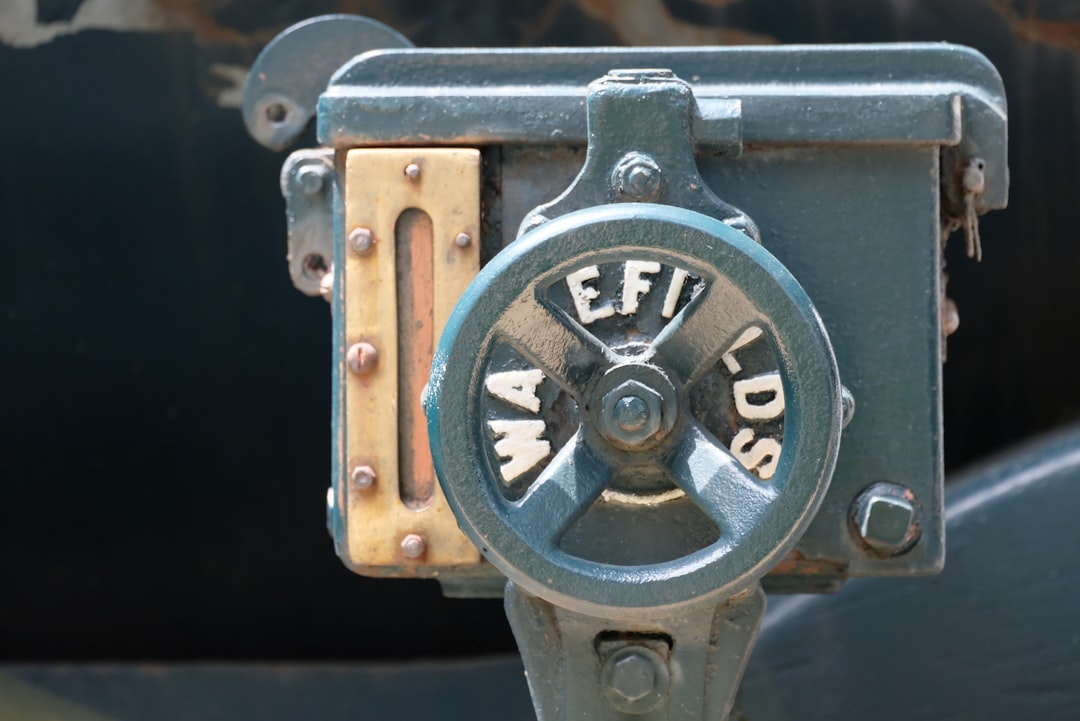
Friction brakes use pneumatic or hydraulic actuators to clamp brake pads against fins on the train. Unlike magnetic brakes, friction brakes can bring a train to a complete stop, which is essential in station holding zones, transfer tracks, and emergency stop blocks. Magnetic brakes can only slow trains; they cannot lock them in place.
Most coasters use a hybrid approach: magnetic brakes handle the high-speed deceleration before stations, then pneumatic friction brakes provide the final stop and station hold.
For a deeper understanding of how brake forces affect riders, our breakdown of how roller coaster G-forces affect your body explains why aggressive deceleration can produce more memorable forces than the launches themselves.
Maintenance Cost Differences
Friction brake pads wear out and require regular replacement, typically every season on heavily-cycled coasters. Pneumatic systems also need air compressor maintenance, and brake fins on the trains develop scoring over time. Magnetic brake systems, by contrast, can operate for decades with minimal intervention because nothing physically touches anything during braking.
Industry coverage from Coaster101 notes that retrofit projects converting older coasters from friction to magnetic systems typically pay for themselves within 5 to 8 years through reduced maintenance and improved uptime.
Weather Performance
Friction brakes lose effectiveness in heavy rain because water reduces the coefficient of friction between pads and fins. Magnetic brakes are completely unaffected by precipitation because the eddy current effect happens entirely inside the metal fin. This is part of why parks in rainy climates increasingly favor magnetically braked rides for reliable operation.
Why Engineering Matters for Riders
Riders may never consciously notice which braking system stops their train, but the smoothness of deceleration, the consistency of station dispatches, and the reliability of high-throughput operation all trace back to brake selection. Magnetic brakes have quietly revolutionized the modern coaster experience over the last two decades, and the technology continues spreading to even smaller installations as costs drop.
Frequently Asked Questions
Are magnetic brakes safer than friction brakes?
Both systems are extremely safe when properly maintained, but magnetic brakes have no failure modes related to wear, making them more reliable over decades of operation.
Why do roller coasters need brakes if they have lift hills?
Brakes control train spacing, station entry speed, mid-course block sections for safety, and emergency stops. Lift hills only handle initial elevation, not deceleration.
Can you feel magnetic brakes engaging?
Yes — the deceleration on rides like VelociCoaster’s mid-course brake run produces noticeable G-forces that some riders consider a highlight of the experience.
Do magnetic brakes work on plastic coaster trains?
No — magnetic brakes require ferrous or non-ferrous metal fins to generate eddy currents. Plastic would produce no braking force.
When were magnetic brakes first used on coasters?
Magnetic eddy current brakes appeared on commercial coasters in the mid-1990s and became dominant on high-speed installations by the early 2000s.