
Types of theme parks vary far more than most people realize. Some are built around movie franchises and storytelling, others around record-breaking coasters, and some are entirely indoors, open year-round regardless of weather. Understanding the different types of theme parks helps you plan better trips and discover parks you never knew existed. Here’s every major type of theme park and what sets them apart.
Here’s every major type of theme park and what sets them apart.
Traditional Theme Parks
Traditional theme parks are built around themed lands, immersive environments, and storytelling. Every ride, restaurant, and walkway ties into a larger narrative. The goal isn’t just thrills — it’s transportation to another world.
Walt Disney World and Universal Studios are the gold standard. Disney pioneered the concept with Disneyland in 1955, replacing the random carnival layout with cohesive themed areas. Today, traditional theme parks invest billions in immersive experiences like Star Wars: Galaxy’s Edge and Super Nintendo World.
Amusement Parks
Amusement parks focus on rides first, theming second. The emphasis is on coaster counts, flat rides, and raw thrills rather than narrative immersion. Many amusement parks evolved from trolley parks and fairgrounds in the early 1900s.
Cedar Point in Ohio is the quintessential amusement park, known as the Roller Coaster Capital of the World with 17 coasters. Six Flags parks across North America follow this model — heavy on rides, lighter on theming, and typically more affordable than the big destination parks.
Water Parks
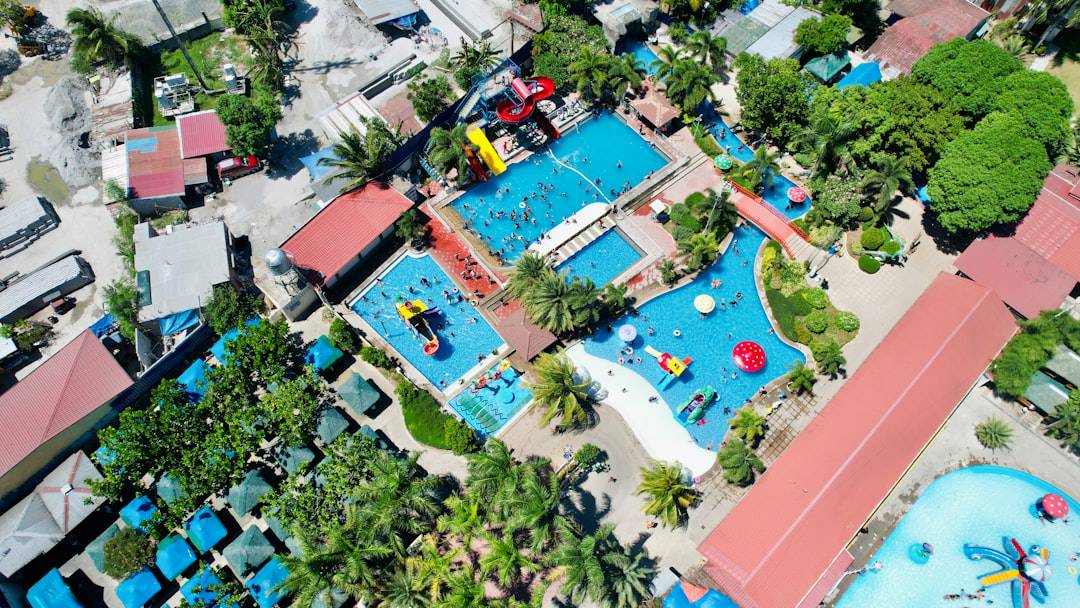
Water parks are built entirely around water-based attractions — slides, wave pools, lazy rivers, and splash pads. Some are standalone parks, while others are attached to larger theme park resorts.
Schlitterbahn in Texas and Noah’s Ark in Wisconsin are legendary standalone water parks. Disney’s Typhoon Lagoon and Volcano Bay at Universal show what happens when major operators build water parks with full theming and storytelling.
Indoor Theme Parks
Indoor theme parks operate year-round regardless of weather, housed inside massive climate-controlled structures. They’re especially popular in regions with extreme heat or cold where outdoor operations are seasonal.
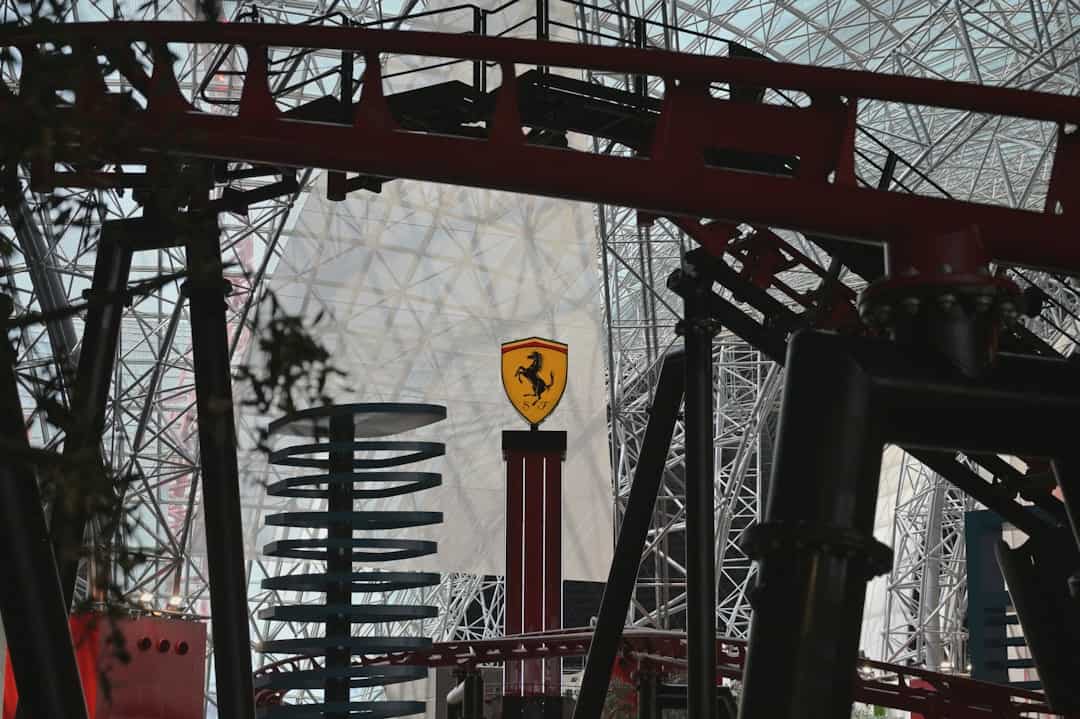
Ferrari World Abu Dhabi is home to the world’s fastest roller coaster, Formula Rossa, entirely indoors. Nickelodeon Universe at American Dream in New Jersey and Lotte World in Seoul, South Korea are other major indoor parks. IMG Worlds of Adventure in Dubai is one of the largest indoor theme parks on the planet.
Destination Resort Parks
Destination resort parks are complete vacation ecosystems. They combine theme parks with hotels, dining, shopping, entertainment districts, and sometimes water parks and golf courses. You don’t just visit — you stay for days.
Walt Disney World Resort with its four theme parks, two water parks, and dozens of hotels is the ultimate example. Universal Orlando Resort is rapidly expanding into a three-park destination with its own hotel corridor. These resorts generate their own economy.
Seasonal and Fair Parks
Seasonal parks operate only during specific months, typically spring through fall, then close for winter or convert to holiday-themed events. Many add Halloween haunts and Christmas festivals to extend their operating calendar.
Most Six Flags and Cedar Fair parks follow this model. Knoebels in Pennsylvania is a beloved seasonal park with free admission and a classic charm that traces back over a century. Holiday events like Knott’s Scary Farm and HalloWeekends have become major revenue drivers.
Wildlife and Marine Parks
These parks combine animal exhibits and shows with thrill rides and attractions. They walk the line between zoo, aquarium, and theme park, offering education alongside entertainment.
SeaWorld parks in Orlando, San Diego, and San Antonio feature roller coasters alongside marine life exhibits. Busch Gardens Tampa and Williamsburg blend world-class coasters with African and European wildlife theming. These parks have evolved significantly in recent years, shifting focus toward conservation and education.
Fantasy and Storybook Parks
Smaller-scale parks built around fairy tales, children’s stories, or fantasy themes. These parks cater primarily to young families and offer gentler rides, character meet-and-greets, and interactive play areas.
Efteling in the Netherlands is a world-class example, blending dark fairy tale theming with legitimate thrill rides. Legoland parks worldwide and Peppa Pig Theme Park in Florida target the under-12 crowd specifically.
Extreme and Adventure Parks
Focused entirely on adrenaline, these parks specialize in high-thrill experiences like bungee jumping, zip lines, skydiving simulators, and extreme coasters. Theming takes a back seat to pure intensity.
Ferrari Land in Spain and Thorpe Park in England lean into the extreme category. Action Park in New Jersey (now closed) was infamous for its dangerous, no-rules approach to thrill rides — a cautionary tale in theme park history.
Which Type of Theme Park Is Right for You?
If you want immersion and storytelling, go for traditional theme parks. If you want coaster counts, hit an amusement park. Families with young kids should look at fantasy parks or indoor options. Thrill seekers should target extreme parks and destination resorts where multiple parks mean endless options.
The best theme park fans don’t pick just one type — they experience them all.
With so many types of theme parks to choose from, the best strategy is to experience the full range. Each type of theme park offers something the others can’t — whether that’s immersive storytelling, raw coaster thrills, or year-round climate-controlled comfort. The more types of theme parks you visit, the better you understand what makes each one special.
Additional Resources
Related Reading
Frequently Asked Questions
What is the difference between a theme park and an amusement park?
Theme parks are built around cohesive themes and storytelling where every element ties into a narrative, while amusement parks focus primarily on rides and attractions without an overarching theme.
What is the largest indoor theme park in the world?
IMG Worlds of Adventure in Dubai is one of the largest indoor theme parks in the world, covering over 1.5 million square feet with Marvel, Cartoon Network, and dinosaur-themed zones.
Which theme parks are open year round?
Indoor theme parks like Ferrari World Abu Dhabi and Nickelodeon Universe operate year-round. Destination resort parks like Walt Disney World and Universal Orlando also operate every day of the year, though outdoor parks in colder climates are typically seasonal.
What is a destination resort theme park?
A destination resort theme park is a complete vacation ecosystem combining multiple theme parks, hotels, dining, shopping, and entertainment. Walt Disney World Resort and Universal Orlando Resort are prime examples where guests stay for multiple days.