
Major League Baseball stadiums offer an experience that no other American sport quite matches. With 81 home games per season, MLB ballparks have evolved into destination food halls, architectural showcases, and neighborhood anchors that draw fans even when their home team struggles. Some venues earn pilgrimage status for their history, others for their views, and a few for inventing entire categories of stadium food. These eleven ballparks represent the spread of what makes modern baseball stadiums genuinely special, from century-old icons to recent retro-modern designs that redefined what fans expect.
Fenway Park, Boston
Opened in 1912, Fenway Park is the oldest ballpark in Major League Baseball and remains in active daily use. The 37-foot-tall left field wall known as the Green Monster, the manually operated scoreboard, and the irregular outfield dimensions create a unique playing field. Sit in the right field bleachers for the most local atmosphere, or pay for the Green Monster seats at least once in your life.
According to official Red Sox history, Fenway has hosted every Boston home game since the franchise’s first season in the park, an unbroken streak unmatched anywhere in American professional sports.
Wrigley Field, Chicago
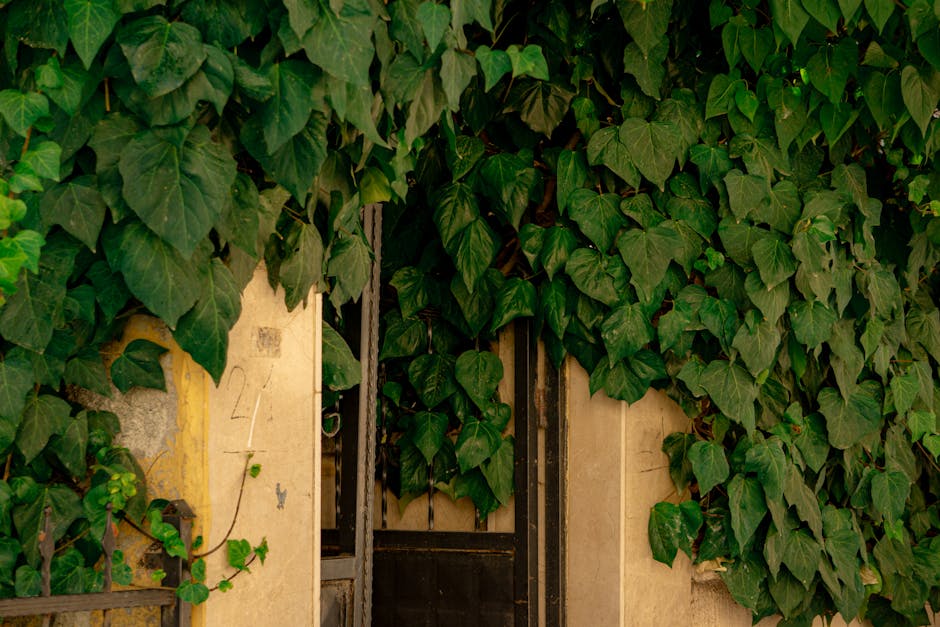
Wrigley opened in 1914, just two years after Fenway, and similarly retains its early-20th-century character. The ivy-covered outfield walls, hand-turned scoreboard, and rooftop seats across Waddell and Sheffield avenues define the experience. Day games at Wrigley are a particular treat — the Cubs only added lights in 1988, decades after every other MLB team.
Oracle Park, San Francisco
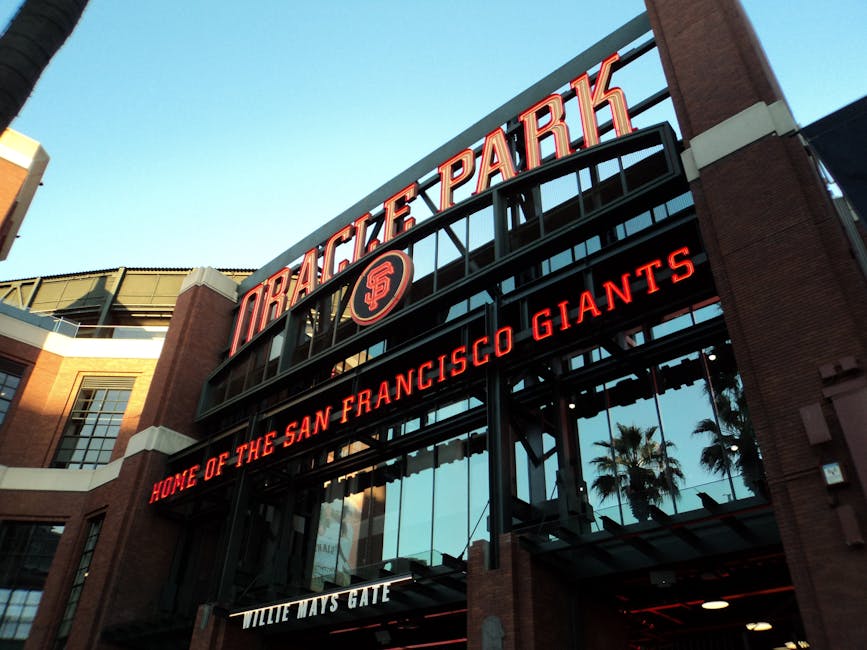
Oracle Park (formerly Pac Bell, then AT&T) sits on McCovey Cove with views of the San Francisco Bay framing every televised game. Splash hits — home runs that clear the right field wall and land in the water — happen roughly 100 times per season. The garlic fries are mandatory.
PNC Park, Pittsburgh
PNC Park consistently earns top rankings from architecture critics for its sightlines of the Pittsburgh skyline and the Roberto Clemente Bridge across the Allegheny River. The two-deck design keeps every seat closer to the action than at most modern stadiums.
For comparison with the loudest venues in other sports, our piece on the loudest stadiums in the world covers football and soccer venues that deliver completely different atmospheres than baseball.
Camden Yards, Baltimore
Oriole Park at Camden Yards opened in 1992 and effectively launched the retro-classic ballpark era that every subsequent MLB stadium has emulated. The B&O Warehouse beyond right field, the integrated downtown setting, and the steel-and-brick aesthetic became the template that Pittsburgh, Cleveland, Detroit, and others followed.
Coors Field, Denver
Denver’s mile-high altitude makes Coors Field unique in baseball. Thinner air means baseballs travel roughly 9% farther than at sea level, producing some of the highest scoring games in MLB. The 20th-row purple seats mark exactly one mile above sea level.
Coverage from ESPN’s MLB section regularly tracks how Coors Field’s altitude continues affecting league-wide statistics, with the park typically leading MLB in runs per game.
Petco Park, San Diego
Petco’s Park at the Park grass berm beyond center field lets families watch games from outside the seating bowl for a fraction of regular ticket prices. The downtown San Diego setting and consistently mild weather make it among the most comfortable ballparks to visit.
Dodger Stadium, Los Angeles
Dodger Stadium opened in 1962 and remains the third-oldest active MLB ballpark. The Chavez Ravine setting offers views of the San Gabriel Mountains, and Dodger Dogs remain a rite of passage even as food options have expanded dramatically.
Building Your Baseball Stadium Bucket List
A serious stadium tour doesn’t have to happen in one summer. Most baseball travelers tackle three or four ballparks per year, often pairing visits with weekend trips to nearby cities. Spring training in Arizona and Florida lets you knock out multiple teams in a single week if you want to build the foundation of your tour quickly.
Frequently Asked Questions
What is the oldest MLB stadium?
Fenway Park in Boston, opened in 1912, is the oldest ballpark in continuous Major League Baseball use.
How many MLB stadiums are there?
There are 30 active MLB stadiums, one for each franchise, with the Tampa Bay Rays planning a new venue to replace Tropicana Field.
What stadium has the highest elevation?
Coors Field in Denver sits at 5,200 feet, making it the highest-altitude stadium in Major League Baseball.
Can you tour MLB stadiums when no game is scheduled?
Most MLB teams offer paid behind-the-scenes tours on non-game days, including dugout, press box, and clubhouse access.
Which stadium has the best food?
This is hotly debated, but Citi Field in New York, Oracle Park in San Francisco, and Target Field in Minneapolis consistently rank among the top food experiences in MLB.